
The 50 Most Influential Business Leaders Steering Global Enterprise in 2026

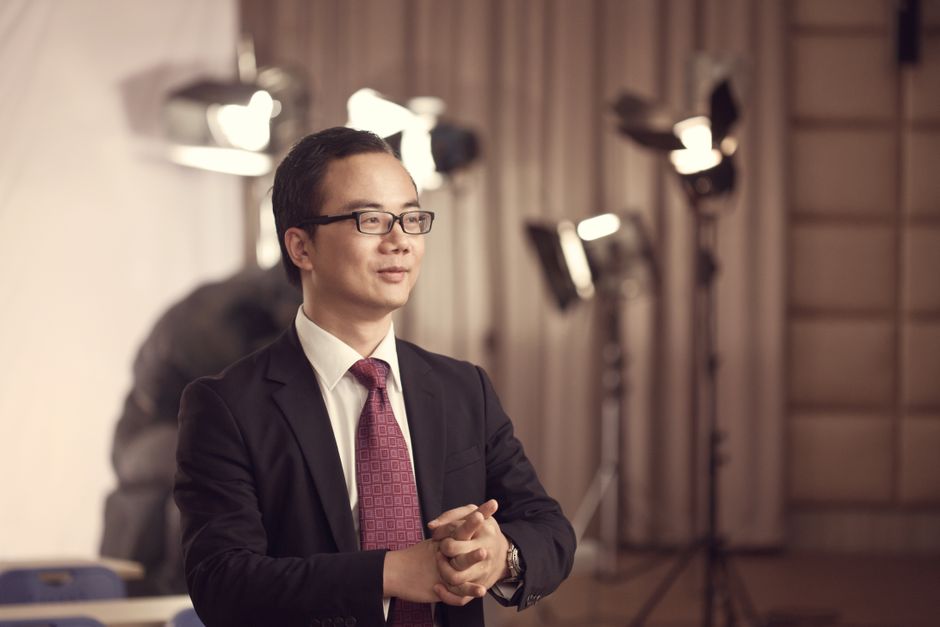
The 50 Most Influential Business Leaders Steering Global Enterprise in 2026
As 2026 unfolds, the business landscape continues to evolve at an unprecedented pace, driven by technological disruption, geopolitical realignments, and a fundamental reordering of global economic priorities. At the forefront of this transformation stand the executives who have demonstrated not only financial acumen but also the visionary leadership necessary to guide organizations through sustained uncertainty. The year’s most impactful chief executives share certain defining characteristics: an ability to balance short-term operational demands with long-term strategic positioning, a deep fluency in emerging technologies, and an unwavering commitment to stakeholder value that extends beyond traditional shareholder primacy.
Defining Leadership Excellence in Uncertain Times
The executives who have earned recognition among the top 50 leaders of 2026 have navigated a particularly challenging operating environment. Global supply chains, having undergone significant restructuring following earlier disruptions, now operate under new paradigms that prioritize resilience alongside efficiency. Meanwhile, the rapid maturation of artificial intelligence capabilities has fundamentally altered competitive dynamics across virtually every industry sector. Leaders who have thrived in this environment demonstrate what industry observers describe as “adaptive strategic thinking”—the capacity to maintain clear long-term vision while remaining flexible in tactical execution.
What distinguishes these executives is not merely their ability to deliver quarterly results, though financial performance remains essential. Rather, it is their capacity to build organizations capable of sustained innovation, their willingness to make bold strategic bets, and their effectiveness in cultivating leadership pipelines that ensure organizational continuity. These leaders understand that in an era of accelerating change, competitive advantage increasingly derives from organizational capabilities rather than scale alone.
The Technological Imperative: AI-Fluent Leadership
A common thread connecting the most effective executives of 2026 is their sophisticated approach to artificial intelligence integration. Unlike earlier phases of digital transformation, where technology implementation could be delegated to specialized functions, today’s leadership requires genuine fluency in AI capabilities and limitations. The top 50 leaders have moved beyond viewing AI as a tool for cost reduction, instead leveraging these technologies to reimagine business models, create new value propositions, and fundamentally alter competitive dynamics within their industries.
This technological sophistication manifests differently across sectors. In financial services, leading executives have overseen the deployment of AI-driven risk management systems and personalized client service platforms. In manufacturing, the most effective leaders have pioneered the integration of predictive maintenance, generative design, and intelligent automation to achieve previously unattainable levels of operational excellence. Consumer goods executives have leveraged AI for demand forecasting, supply optimization, and hyper-personalized marketing at scale. The common element is not the specific technology deployed but rather the strategic vision that guides its application.
Stakeholder Orientation and Purpose-Driven Strategy
The executives who have risen to prominence in 2026 have also demonstrated an evolved understanding of organizational purpose. The narrow shareholder value maximization paradigm that dominated executive thinking for decades has given way to a more sophisticated stakeholder capitalism model. While this shift was already underway in previous years, the leaders recognized this year have moved beyond mere rhetoric to implement concrete practices that balance the interests of employees, customers, communities, and capital providers.
This stakeholder orientation manifests in various forms across leading organizations. Some executives have restructured executive compensation to align with environmental and social outcomes alongside financial metrics. Others have embedded sustainability commitments into core business strategy, recognizing that long-term value creation requires operating within environmental constraints. Still others have invested heavily in workforce development, understanding that human capital development represents a critical competitive advantage in knowledge-intensive industries. The common thread is authenticity: these leaders genuinely believe that serving broader stakeholder interests and generating superior financial returns are complementary rather than conflicting objectives.
Geographic Diversification and Emerging Market Leadership
Analysis of the top 50 leaders reveals important geographic patterns. While executives from North American and European enterprises remain strongly represented, the cohort shows increased representation from Asian markets, reflecting ongoing shifts in global economic gravity. Leaders from markets including India, Southeast Asia, and the Gulf region have demonstrated particular effectiveness in navigating the complexities of multi-polar global commerce while capitalizing on rapid domestic growth opportunities.
These executives bring perspectives shaped by different institutional contexts and competitive dynamics. Their inclusion among the year’s top performers reflects not only personal achievement but also the rising significance of their home markets to global economic growth. The most globally influential enterprises increasingly require leadership teams with genuine multinational experience and the cultural intelligence necessary to coordinate diverse operations across varied regulatory and market environments.
Crisis Navigation and Organizational Resilience
The executives recognized among the top 50 leaders of 2026 share another critical characteristic: the ability to lead effectively through crisis. The operating environment has provided ample opportunity to develop this capability, with leaders having navigated everything from cybersecurity incidents to regulatory upheaval to unexpected macroeconomic shocks. Those who have emerged with enhanced organizational reputation and capability demonstrate specific competencies that differentiate them from peers.
Effective crisis leadership, as demonstrated by this year’s top executives, requires several elements working in concert. First, it demands situational awareness—the ability to quickly assess developing situations, identify credible information amid uncertainty, and recognize when established playbooks require modification. Second, it requires organizational communication capabilities that maintain trust and alignment across dispersed workforces operating under stress. Third, it requires the emotional intelligence to calibrate responses appropriately, neither overreacting to manageable challenges nor underreacting to genuine threats. The executives who have mastered this balance have built organizations capable of emerging from adversity stronger than before.
Building the Leadership Pipeline
Perhaps the most enduring contribution of the top executives recognized this year is their investment in developing future leaders. Recognizing that organizational capability ultimately resides in human capital, these leaders have prioritized succession planning, mentorship, and leadership development with the same rigor applied to financial and operational management. Their organizations serve as proving grounds for emerging talent, providing experiences that develop the strategic thinking and interpersonal capabilities that define executive effectiveness.
This investment in leadership development reflects understanding that sustainable organizational performance requires more than individual executive capability. It demands the systematic cultivation of leadership bench depth that ensures organizational continuity across leadership transitions. The executives recognized this year have internalized this reality, dedicating personal time and organizational resources to identifying and developing the next generation of business leaders.
Looking Ahead: Leadership Challenges for the Remainder of 2026
As the year progresses, the executives recognized among the top 50 leaders face an evolving set of challenges. Geopolitical tensions continue to complicate global business operations, requiring careful navigation of competing national interests and regulatory environments. Technological disruption shows no signs of deceleration, demanding ongoing investment in organizational adaptation and capability development. Meanwhile, stakeholder expectations continue to expand, requiring executives to demonstrate genuine commitment to environmental sustainability, social responsibility, and governance excellence.
The leaders who will maintain their positions at the forefront of business excellence through this period share a common orientation toward continuous learning and adaptation. They recognize that the capabilities that brought them success to this point may require ongoing evolution to address emerging challenges. Their effectiveness depends not on having found a permanent formula for success but on maintaining the strategic flexibility and organizational agility necessary to navigate ongoing change.
The top 50 leaders of 2026 represent the pinnacle of executive capability in an era of extraordinary complexity. Their success reflects not merely personal achievement but also the maturation of management practices that integrate technological sophistication, stakeholder orientation, and global perspective. As they continue to guide their organizations through the challenges and opportunities ahead, they will shape not only competitive outcomes within their respective industries but also broader expectations for what constitutes exemplary business leadership.
- Adaptive strategic thinking that balances long-term vision with tactical flexibility
- Technological fluency, particularly regarding AI integration and digital transformation
- Stakeholder orientation extending beyond shareholder primacy
- Geographic diversity reflecting evolving global economic dynamics
- Crisis navigation capabilities demonstrated through recent challenges
- Commitment to leadership development and succession planning