
Investor Behind Burj Khalifa Sets Sights on African Luxury Hospitality Expansion

luxury hotel investment Africa: The Emirati entrepreneur whose company delivered the world’s tallest building is now turning his attention toward Africa’s high-end hotel market, signaling a potential wave of Gulf capital into the continent’s luxury hospitality sector. The move underscores growing interest from Middle Eastern investors in Africa’s expanding middle class and tourism potential, even as questions remain about which specific markets and properties might attract this renewed focus.
luxury hotel investment Africa: The Burj Khalifa Connection and Its Developer
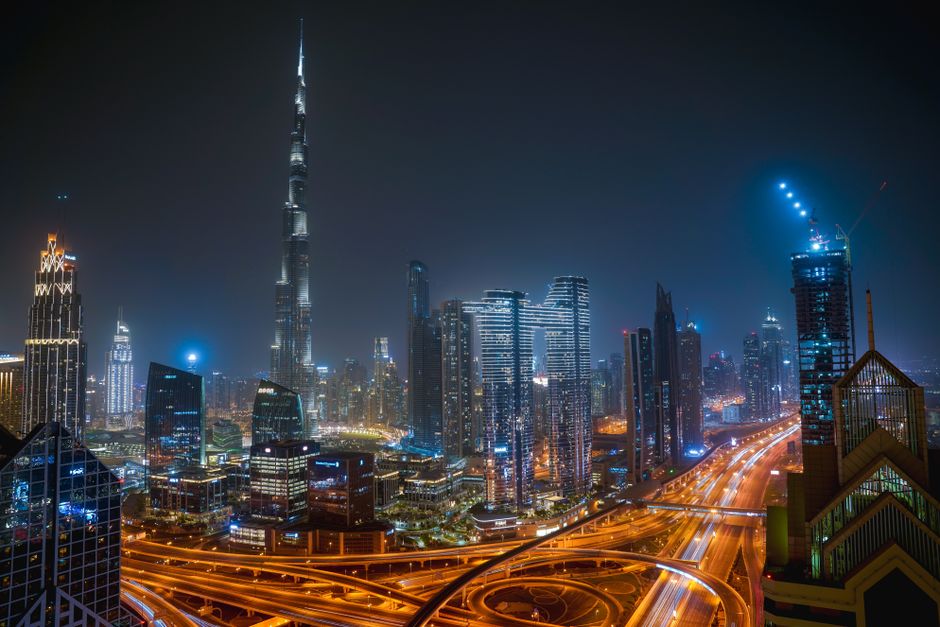
Dubai’s Burj Khalifa, standing at 828 meters, has defined the skylines of the 21st century since its completion in 2010. The tower emerged from Emaar Properties, one of Dubai’s largest real estate developers, which has since established itself as a global force in luxury development. The company’s chairman, Mohamed Alabbar, has been the public face of Emaar’s most ambitious projects, including the Burj Khalifa and the surrounding Downtown Dubai district. Under his leadership, Emaar has expanded its footprint across Asia, North America, and the Middle East, building a reputation for mega-projects that reshape urban landscapes. The company has also diversified into hospitality, operating a portfolio of hotels and serviced residences that cater to affluent travelers.
Emaar’s hospitality division has grown substantially over the past decade, with properties ranging from the Address Hotels + Residences brand to the Palace Downtown and the Armani Hotel within the Burj Khalifa itself. This track record in developing and managing luxury accommodations positions the company as a potential contender for high-end hotel projects in emerging markets where such offerings remain scarce.
Why Africa Represents a Strategic Opportunity
Africa’s luxury hotel sector has long been underserved relative to demand from business travelers, high-net-worth tourists, and the continent’s growing wealthy class. Major international hotel chains have expanded gradually, with properties concentrated in traditional hubs like Johannesburg, Nairobi, Cape Town, and Casablanca. However, secondary cities and emerging business centers across West Africa, East Africa, and North Africa have seen limited high-end options, creating supply gaps that investors are beginning to recognize.
The broader macroeconomic picture supports this thesis. Several African economies have posted consistent growth rates despite global economic headwinds. Urbanization is accelerating, creating new centers of commercial activity that require quality accommodation. Meanwhile, international tourist arrivals to Africa have recovered strongly following the pandemic, with the United Nations World Tourism Organization reporting significant gains in visitor numbers across multiple African destinations. Safari tourism, coastal resorts, and business travel to resource-rich nations all feed demand for premium lodging.
Gulf Investment Flows to Africa: A Growing Trend
The potential involvement of an Emirati billionaire in Africa’s luxury hotel sector fits within a broader pattern of Gulf Cooperation Council investment into the continent. Saudi Arabia, the United Arab Emirates, and Qatar have each pursued African partnerships in recent years, ranging from port development to renewable energy projects. Dubai-based companies have been particularly active, with firms like Dubai Ports World investing in African logistics infrastructure and airlines like Emirates expanding routes across the continent.
Real estate investment has been a notable component of this Gulf engagement. Several Emirati developers have explored or announced projects in African markets, though execution has varied. The luxury hospitality segment presents both opportunity and complexity: high construction costs, limited financing options, and operational challenges in some markets have slowed previous attempts by international investors to establish premium hotel brands. Nonetheless, the potential returns—driven by premium pricing power and growing demand—continue to attract serious players.
Africa’s existing luxury hotel landscape includes properties managed by global brands such as Four Seasons, Ritz-Carlton, Marriott, and Hilton, alongside African-owned establishments that have carved out niches in markets like Mauritius, the Seychelles, and South Africa’s winelands. New entrants would need to differentiate through brand positioning, service standards, and location strategy. The involvement of a developer with Emaar’s scale and expertise could bring fresh capital and operational capabilities that some African markets have lacked.
Implications for African Hospitality Markets
Should investment materialize at scale, the implications for specific African markets could be substantial. Cities with significant business travel demand—such as Lagos, Accra, Addis Ababa, and Kigali—represent logical targets given their growing economies and limited existing luxury supply. These markets have seen rising international corporate activity, hosting regional headquarters for multinational companies and serving as hubs for industries including finance, technology, and resource extraction.
Tourism-oriented destinations also present compelling opportunities. Morocco has already established itself as a luxury tourism destination, attracting European visitors with its cultural heritage and coastal resorts. Egypt’s tourism sector, a cornerstone of its economy, continues to draw visitors to historical sites along the Nile and Red Sea resorts. Kenya and Tanzania anchor East Africa’s safari industry, where high-end tented camps and boutique lodges have demonstrated willingness among travelers to pay premium rates. New luxury properties in these corridors could capture incremental demand while raising service standards across the sector.
For local partners and governments, Gulf investment could bring capital that supplements limited domestic financing for large-scale hospitality projects. Partnerships with international operators may also transfer operational expertise, benefiting local staff and management teams through training and career development. However, such arrangements also raise questions about economic leakage—how much revenue and profits flow back to foreign investors versus remaining within local economies.
Challenges and Considerations Ahead
The path from expressed interest to actual investment involves significant steps. Market entry requires identifying suitable sites, navigating regulatory requirements, securing financing, and assembling local partnerships or teams. Construction costs in Africa can exceed those in more established markets due to logistics challenges, import dependencies, and currency volatility. Operating hotels in regions with inconsistent infrastructure—power supply, water, and telecommunications—demands robust contingency planning.
Currency risk presents another consideration for investors expecting returns in dollars or dirhams. Several African currencies have experienced depreciation against major currencies in recent years, affecting the real returns of foreign investors. Structuring investments to manage this exposure—whether through local currency revenue retention, hedging strategies, or partnerships that share currency risk—becomes essential for long-term viability.
Political risk also factors into investment calculus. While some African countries offer stable environments for foreign investment, others present regulatory uncertainties, policy shifts, or governance challenges that can affect project timelines and profitability. Due diligence processes for African hospitality investments typically require thorough assessments of legal frameworks, land tenure systems, and government relations.
What This Signals for the Sector
The fact that a prominent Emirati investor is considering Africa for luxury hotel expansion reflects broader confidence in the continent’s growth trajectory. Even if specific deals remain in early stages, the signal matters: it indicates that sophisticated international capital views Africa’s luxury hospitality segment as worthy of serious consideration alongside more established markets.
If the Burj Khalifa developer’s interest translates into concrete projects, it could catalyze further interest from other Gulf-based investors seeking exposure to Africa’s rising consumer class and tourism potential. The combination of capital, development expertise, and hospitality management experience that such an investor brings could accelerate the development of luxury accommodations in markets that have historically lagged behind global standards.
For stakeholders across Africa’s hospitality ecosystem—from developers and investors to employees and communities—the prospect of increased investment represents both opportunity and impetus to raise ambitions. Meeting the expectations that luxury hospitality demands will require sustained effort across training, service design, and operational excellence. The reward, if these standards are met, could include not just financial returns but lasting contributions to Africa’s global image as a destination for discerning travelers.