
Qatari billionaire family eyes multi-billion-dollar infrastructure opportunities in aviation and construction across Africa

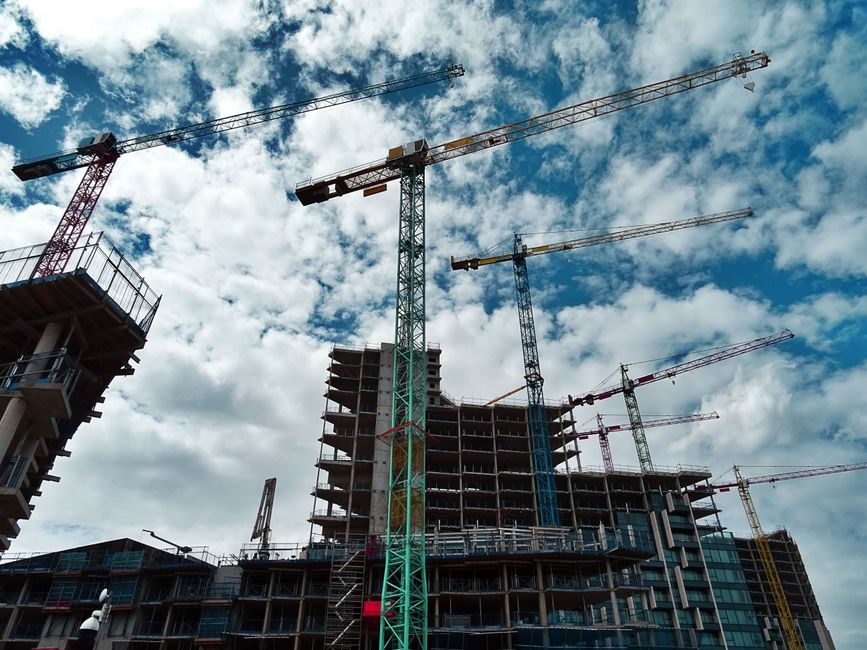
Qatari billionaire family eyes multi-billion-dollar infrastructure opportunities in aviation and construction across Africa
A prominent Qatari billionaire family is weighing a multi-billion-dollar push into African infrastructure, with aviation terminals and large-scale construction projects emerging as the initial areas of interest. The family’s investment arm has been studying opportunities across several African markets where fast-growing populations, urbanisation and chronic under-investment in transport links have created sustained demand for private capital. The move would deepen Qatar’s already visible footprint on the continent and comes at a time when Gulf sovereign and family wealth is actively seeking diversification beyond domestic energy assets.
While the family has not yet publicly disclosed the full size or structure of the planned deployment, people familiar with the early-stage discussions describe ambitions that could reach several billion dollars once a pipeline of projects is finalised. Aviation and construction have been prioritised because they offer tangible, long-life assets in economies that are simultaneously expanding middle-class travel and trying to close yawning infrastructure gaps. For African governments, the prospect of a politically neutral, well-capitalised Gulf partner is itself an asset, particularly at a moment when several countries are restructuring debt and recalibrating foreign investment rules.
Qatari billionaire family Africa infrastructure: Why Africa, and why now
Africa’s infrastructure financing needs are widely regarded as among the largest in the emerging world. The African Development Bank has, in recent annual reports, pointed to a funding gap running into the tens of billions of dollars a year for transport, energy and urban development, and has repeatedly called for greater private sector participation to bridge it. Into that gap, Gulf family offices and sovereign-linked investors have stepped steadily over the past decade, often working alongside development finance institutions to de-risk early-stage projects.
Qatar, in particular, has framed its African engagement as part of a broader foreign policy objective of building durable commercial and diplomatic ties across the Global South. Doha has hosted multiple high-level forums linking African heads of state with Qatari business leaders, and the Qatar Investment Authority has historically deployed capital into African financial services, real estate and telecoms. A move by one of the country’s wealthiest dynasties into physical infrastructure would be a more direct, asset-heavy extension of that strategy.
Macroeconomic conditions on the continent are also improving in ways that make large-ticket infrastructure more financeable. Several large African economies have stabilised their currencies, brought inflation down from pandemic-era peaks and completed debt restructurings with official creditors. Eurobond spreads have compressed, and a small but growing number of countries have returned to international capital markets. That combination makes the long-dated cash flows from airport terminals, toll roads and mixed-use developments easier to underwrite.
Aviation: airports as anchor assets
Aviation is expected to be the centrepiece of any African infrastructure plan the family pursues. Air travel across the continent has rebounded sharply since the pandemic, and the International Air Transport Association has projected that Africa will be one of the fastest-growing aviation markets over the next two decades, driven by a young, urbanising population and a rapidly expanding middle class. Yet many of the continent’s major international airports are operating well beyond their original design capacity, with outdated terminals, limited runway redundancy and ageing ground infrastructure.
Greenfield and brownfield airport projects typically involve multi-year construction periods, multi-hundred-million to multi-billion-dollar price tags, and long concession or lease structures that suit patient Gulf capital. For a Qatari family with deep experience in complex construction and a long investment horizon, the asset class is a natural fit. Airports also tend to anchor broader real estate clusters – retail, logistics, hotels and hospitality – that can be developed alongside the core terminal infrastructure, creating a vertically integrated investment thesis.
Discussions are understood to focus on airports in markets where the family believes passenger growth is structurally underpinned and where the regulatory environment is stable enough to support long-term concessions. While no specific airport deals have been publicly signed, the family’s representatives have held exploratory conversations with authorities in more than one market, according to people briefed on the matter.
Construction: building on Qatar’s domestic playbook
Construction is the second pillar of the strategy, and it is closely linked to aviation. The family built much of its domestic reputation in Qatar on a portfolio of landmark projects delivered against tight timelines, including work around major international events hosted in Doha. That operational know-how – managing complex supply chains, mobilising large workforces, and delivering signature infrastructure – is directly transferable to African markets planning new airports, ports, road corridors and urban regeneration schemes.
Construction in Africa also offers exposure to the continent’s rapid urbanisation. The United Nations projects that Africa’s urban population will roughly double by 2050, and governments from Lagos to Dar es Salaam are already investing in mass transit, affordable housing and commercial real estate to keep pace. A Qatari family office with construction expertise and balance sheet capacity can position itself as a long-term partner rather than a short-cycle contractor, taking equity stakes in developments and sharing in operational returns over decades.
The construction push is also expected to involve local content requirements. African governments negotiating with Gulf investors have increasingly insisted on skills transfer, training programmes and the use of domestic subcontractors. A family that has managed large, multicultural workforces in Qatar would be well placed to meet those conditions, and doing so could be a deciding factor in winning competitive tenders.
What a multi-billion-dollar pipeline could look like
Although the family has not disclosed a final deployment figure, the description of the plans as “multi-billion-dollar” implies an investment programme rather than a single transaction. A plausible structure could include direct equity in airport concessions, construction contracts awarded to family-controlled firms, and separate real estate vehicles developing the commercial zones around transport hubs. Some of the capital may be deployed alongside co-investors, including development finance institutions, African pension funds, and other Gulf investors looking for diversified exposure to the continent.
Structuring deals at that scale typically requires patient capital, a high tolerance for political and currency risk, and strong government relationships – qualities that concentrated family wealth in the Gulf is well suited to provide. It also requires careful pacing, given the long lead times between announcement and financial close on African infrastructure, where land acquisition, environmental approvals and financing syndications can each take years rather than months.
Risks and competing capital
The family will not be operating in a vacuum. Gulf-linked capital in Africa has intensified in recent years, with the United Arab Emirates, Saudi Arabia and Qatar all increasing their presence. Chinese state-owned enterprises and contractors remain deeply embedded in African construction, particularly in transport and energy. Western development finance institutions and European engineering groups also continue to compete for the same project pipeline.
Currency volatility, political instability in some target markets, and the practical difficulties of repatriating profits will all need to be managed. African infrastructure projects have historically suffered from cost overruns, and any Gulf family entering the market will need rigorous project governance and trusted local partners to avoid the pitfalls that have derailed earlier attempts. None of these risks are disqualifying, but they will shape the pace and shape of any final investment decisions.
What to watch next
The most immediate signals will come from any formal announcements of memoranda of understanding with specific African governments, the launch of a dedicated infrastructure platform, or the first public deal – likely an airport concession or a flagship mixed-use development. Names of partners, whether local construction firms, international operators, or development finance institutions, will also help size the eventual commitment. Until then, the family’s plans represent one of the more concrete illustrations yet of how Gulf family capital is being redirected into long-cycle African assets, and how aviation and construction have become the entry points of choice for investors looking to participate in the continent’s next phase of urban growth.
For African policymakers, the coming months will test whether the appetite among the world’s wealthiest families translates into shovel-ready projects. For the family itself, the bet is that a combination of demographic momentum, urbanisation and chronic infrastructure under-investment will generate durable, multi-decade returns – provided the deals are structured carefully and the local partnerships are built to last.