
Natural Gas Playmakers Pair Upstream Execution With Midstream Expansions

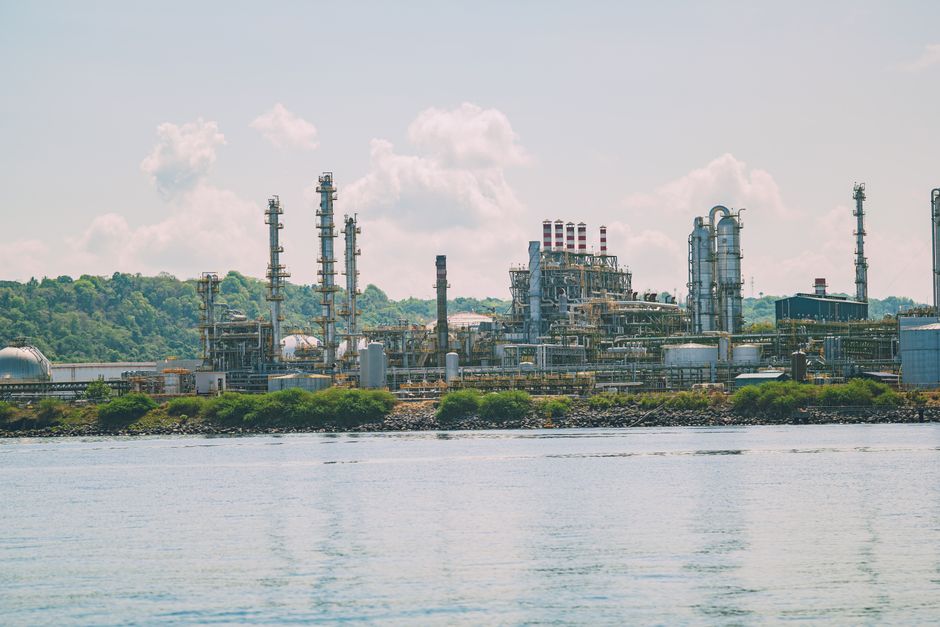
Driving Growth Through Integrated Strategies
The natural gas sector has entered a transformative era where companies are no longer content with operating in isolated silos. Upstream operators—those that explore, drill, and produce—are increasingly partnering with midstream entities that handle gathering, processing, transportation, and storage. This convergence creates a more resilient value chain, reduces bottlenecks, and ultimately delivers a more reliable supply to power generators, industrial users, and end‑consumer markets.
Why Integration Matters Today
Three key forces are pushing the industry toward a tighter coupling of upstream and midstream activities:
- Market volatility: Commodity price swings make it essential to capture value at every stage, and owning or closely aligning with midstream assets can smooth cash‑flow volatility.
- Infrastructure constraints: Pipeline capacity, processing facilities, and storage terminals are finite resources. Companies that control a portion of this infrastructure can prioritize their own production and mitigate third‑party bottlenecks.
- Regulatory and environmental pressures: Integrated operations allow firms to better monitor emissions, optimize gas capture, and meet tightening carbon‑reduction standards.
When these drivers converge, the business case for integrated play becomes compelling.
Strategic Playmakers in Action
Leading natural‑gas producers are illustrating the benefits of this approach through a series of bold moves:
- Asset acquisitions: Companies are buying existing gathering lines and processing plants rather than building from scratch, accelerating time‑to‑market and reducing upfront capital intensity.
- Joint ventures with midstream specialists: By sharing risk and expertise, upstream firms can expand their reach into new basins while midstream partners gain guaranteed throughput volumes.
- Digital integration platforms: Advanced data‑sharing systems link field rigs to pipeline control rooms, providing real‑time insights that improve operational efficiency and safety.
These strategies are not one‑size‑fits‑all; they are tailored to regional geology, market demand, and the financial health of each organization.
Case Study: Leveraging a New Gathering Network
Consider a mid‑continent operator that recently completed a 120‑mile gathering system linking a prolific shale play to an existing processing hub. The company financed the network through a combination of equity, a revolving credit facility, and a strategic partnership with a midstream firm that supplies compression services. The outcome?
- Production ramped from 200 MMcf/d to 550 MMcf/d within 12 months.
- Transportation costs declined by roughly 15% thanks to the dedicated pipeline.
- The firm secured a five‑year offtake contract that locked in a premium price, de‑risking future cash flows.
This example highlights how upstream execution, when paired with targeted midstream expansion, can turn a marginal field into a cash‑generating asset in a relatively short time frame.
Challenges to Keep in Mind
While the upside is evident, integration also brings complexities:
- Capital allocation: Balancing investments between drilling new wells and upgrading pipelines requires disciplined budgeting and clear ROI metrics.
- Regulatory approvals: Pipeline construction and facility permits can be time‑consuming, especially in jurisdictions with stringent environmental reviews.
- Cultural alignment: Upstream crews and midstream teams often have different operating philosophies; successful integration demands a unified corporate culture and clear communication pathways.
Companies that anticipate these hurdles and build robust governance structures are better positioned to reap the rewards of integration.
Looking Ahead: The Future of a Unified Value Chain
As the global energy mix evolves, natural gas will continue to serve as a bridge fuel for the transition to lower‑carbon power generation. The companies that can efficiently move gas from the wellhead to the end user—while maintaining flexibility, cost‑competitiveness, and environmental stewardship—will capture a larger share of the emerging market.
Key trends to watch include:
- Increased use of renewable natural gas (RNG) blended with conventional supplies, demanding new processing capabilities.
- Greater adoption of modular, off‑grid processing units that can be deployed quickly to remote basins.
- Expansion of liquefied natural gas (LNG) export terminals, which will further intertwine upstream production planning with downstream logistics.
In short, the playmakers who combine decisive upstream execution with strategic midstream expansions are not just responding to current market pressures—they are shaping the future architecture of the natural‑gas industry.