
Major Russian grain export terminals hit in Ukraine Black Sea port attack

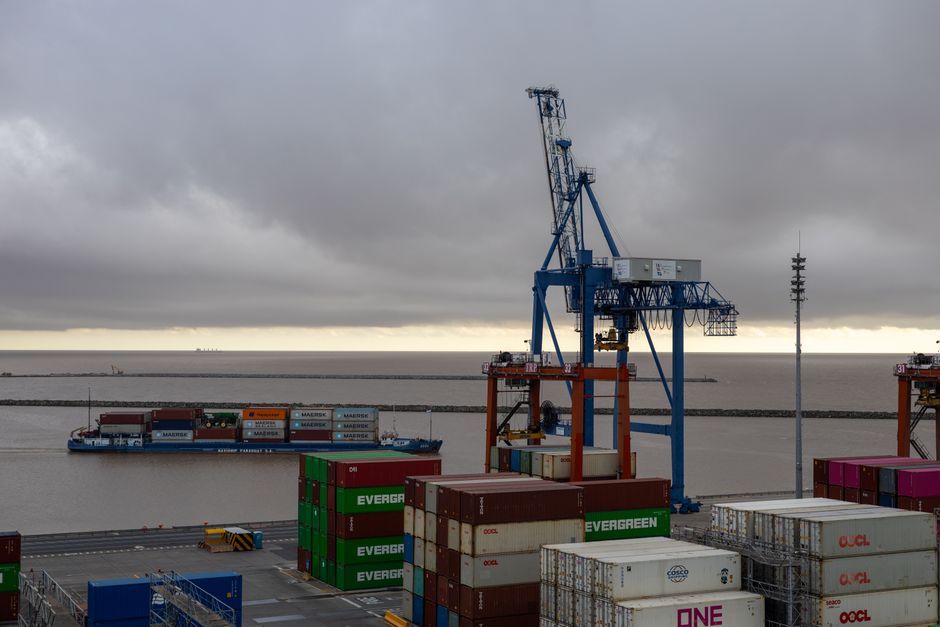
Overview of the Recent Black Sea Assault
In a bold nighttime operation, Ukrainian forces launched a coordinated strike against several Russian-controlled grain export terminals along the Black Sea coast. The attack targeted key facilities that handle a substantial portion of Russia’s wheat, barley, and corn shipments destined for markets in the Middle East, Africa, and Europe. While the exact number of damaged terminals varies among reports, analysts agree that the disruption will have an immediate ripple effect on global grain flows.
Strategic Importance of the Black Sea Corridor
The Black Sea has long served as a critical maritime chokepoint for agricultural commodities. Roughly one‑third of Russia’s grain exports transit through ports such as Novorossiysk, Tuapse, and the newly fortified facility at Pivdennyi. These hubs are not only logistical gateways but also revenue generators that fund Russia’s broader war effort. By striking these nodes, Ukraine aims to diminish Moscow’s economic leverage while highlighting the vulnerability of supply chains that many food‑insecure nations depend upon.
How the Attack Was Executed
- Precision missile strikes: Ukrainian forces employed long‑range, precision‑guided missiles to hit storage silos, loading equipment, and port infrastructure.
- Cyber‑enabled disruption: Parallel cyber operations reportedly targeted terminal control systems, causing delays in loading schedules and hampering communication between port authorities and shipping lines.
- Naval harassment: Small, fast‑attack craft conducted hit‑and‑run actions against docked vessels, adding a layer of uncertainty for commercial shippers.
These combined tactics created a multi‑dimensional shock that forced several vessels to remain at anchor or reroute to alternative ports, incurring additional costs and transit time.
Immediate Economic Impact
Within hours of the strikes, commodity traders reported a sharp uptick in wheat futures, with prices climbing by more than 5 percent on major exchanges. The price surge reflects market anxieties over reduced export capacity and the potential for further attacks. For importing countries that rely heavily on Russian grain—such as Egypt, Saudi Arabia, and several West African nations—the disruption could translate into higher food prices and strained budgets.
Broader Implications for Global Food Security
The World Food Programme has warned that any sustained interruption to Black Sea grain flows could push an additional 10‑15 million people toward acute food insecurity. The region already grapples with climate‑related stresses, and the loss of a reliable grain source amplifies the risk of famine in vulnerable populations. Moreover, the attack underscores the interconnectedness of geopolitical conflict and the stability of global supply chains.
Russia’s Response and Future Outlook
In the aftermath, Russian officials have pledged to reinforce port defenses, accelerate repairs, and increase naval patrols in the Black Sea. Moscow is also exploring alternative export routes, including overland corridors through Kazakhstan and rail links to the Mediterranean, though these options lack the efficiency of maritime shipping.
Analysts suggest that the conflict may usher in a new era of “maritime warfare” where ports and logistics hubs become primary targets. As both sides continue to develop more sophisticated weaponry, the likelihood of recurring disruptions grows, compelling the international community to consider contingency plans for food distribution.
What This Means for Stakeholders
- Exporters: Companies must diversify shipping routes, invest in insurance against war‑related losses, and maintain flexible contracts to adapt to sudden market swings.
- Importing Nations: Diversification of grain sources, strategic stockpiling, and diplomatic engagement with alternative suppliers become essential strategies.
- Policymakers: There is an urgent need to strengthen international mechanisms that safeguard critical food‑supply corridors and to address the underlying political drivers of such attacks.
In sum, the recent strike on Russian grain terminals highlights how a single maritime operation can reverberate through global markets, exacerbate food‑price volatility, and reshape the strategic calculus of nations dependent on Black Sea exports.