
Hawaii crypto ATM ban to take effect on Oct. 1

What the Ban Means for Hawaii Residents
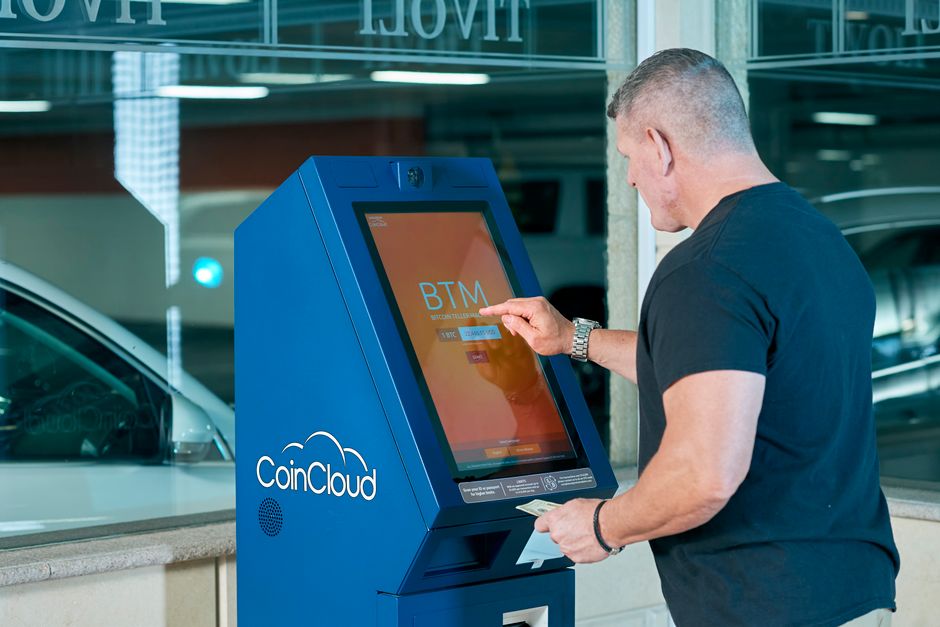
On October 1, Hawaii will officially enforce a statewide prohibition on cryptocurrency automated teller machines (ATMs) and self‑service kiosks. The new regulation aligns the Aloha State with a growing list of jurisdictions—Minnesota, Tennessee and Indiana—that have already taken decisive steps to shut down these machines. While the ban may seem abrupt to some, it is the culmination of a multi‑year effort by state lawmakers, consumer‑protection agencies, and law‑enforcement officials who have been tracking a surge in fraud linked to crypto‑ATM usage.
Why Crypto ATMs Have Come Under Scrutiny
Cryptocurrency ATMs were originally marketed as a convenient bridge between the traditional financial system and the emerging world of digital assets. By allowing users to purchase or sell Bitcoin, Ethereum, and other coins with cash, they promised anonymity, speed, and accessibility—especially for people without bank accounts. However, the very features that made these machines attractive also created a fertile environment for scams:
- Money‑laundering concerns: The cash‑intensive nature of the kiosks made it difficult for authorities to trace the source of funds, raising red flags under anti‑money‑laundering (AML) regulations.
- Phishing and fraudulent schemes: Scammers have used fake QR codes, counterfeit receipts, and social‑engineering tactics to steal funds from unsuspecting users at the point of sale.
- Lack of consumer safeguards: Unlike traditional banks, most crypto‑ATM operators are not required to conduct thorough identity verification or provide dispute‑resolution mechanisms, leaving victims with little recourse.
- Rapid price volatility: Users often purchase crypto at inflated rates during market spikes, only to see the value drop shortly after, prompting complaints and accusations of predatory pricing.
These issues have prompted state regulators to view crypto ATMs as a public‑policy risk rather than a financial innovation.
Legislative Path to the Ban
The legislative journey began with a series of hearings where the Hawaii Department of Commerce and Consumer Affairs presented data showing a sharp increase in complaints tied to crypto‑ATM transactions. Testimony from victims highlighted scenarios where individuals lost thousands of dollars after following instructions from seemingly legitimate kiosk operators. In response, a bipartisan bill was introduced, mandating the removal of all cryptocurrency ATMs from the state’s financial landscape.
Key provisions of the law include:
- Immediate cessation of all crypto‑ATM operations by the effective date.
- Mandatory reporting by kiosk owners of any pending transactions for settlement before the shutdown.
- Penalties for non‑compliant operators, ranging from hefty fines to potential criminal charges for fraud.
- Allocation of resources to the state’s cyber‑crime unit to investigate past scams linked to the machines.
Impact on Consumers and Businesses
For everyday Hawaiians who have relied on crypto ATMs as a quick way to convert cash into digital assets, the ban will require a shift toward online exchanges or peer‑to‑peer platforms. While these alternatives often provide stronger security features—such as two‑factor authentication and KYC (Know Your Customer) checks—they also demand a higher degree of digital literacy.
Local businesses that previously hosted crypto kiosks as a revenue stream will need to repurpose that space. Some are already exploring partnerships with regulated cryptocurrency exchanges that can operate via mobile apps, allowing customers to place orders in‑store while the transaction is completed online.
Broader Implications for the Crypto Industry
The Hawaii ban reflects a broader national conversation about how to balance innovation with consumer protection. As more states consider similar measures, the crypto industry may see a push toward greater standardization and compliance:
- Enhanced AML and KYC protocols could become mandatory for all crypto service providers, not just traditional exchanges.
- Regulators may introduce licensing requirements for any entity offering crypto‑related services, ensuring a baseline of accountability.
- Public education campaigns are likely to increase, aimed at informing users about the risks of cash‑based crypto transactions.
These developments could ultimately lead to a more secure ecosystem, albeit one that is less convenient for users seeking instant, cash‑based access.
What Residents Can Do Now
Anyone currently using a crypto ATM in Hawaii should take the following steps before the October deadline:
- Withdraw any pending balances and ensure that all transactions are fully settled.
- Transfer digital assets to a reputable, secured wallet rather than leaving them on the kiosk’s platform.
- Research reputable online exchanges that comply with state and federal regulations.
- Stay informed about upcoming consumer‑protection resources offered by the Department of Commerce and Consumer Affairs.
By proactively managing their assets, users can minimize disruption and protect themselves from potential losses.
Looking Ahead
While the October 1 deadline marks the end of crypto ATM operations in Hawaii, the conversation about digital currency regulation is far from over. Stakeholders—from lawmakers to fintech innovators—will continue to grapple with how to foster responsible growth in the crypto space while safeguarding consumers against fraud. Hawaii’s decisive action may serve as a case study for other jurisdictions seeking a middle ground between embracing technology and curbing its abuse.