
Cover Story Newsletter: Inside Afghanistan

Overview
Afghanistan has long been a focal point for global attention, but recent years have brought a new set of complexities that demand a deeper understanding. From shifting power dynamics in Kabul to the daily realities faced by ordinary Afghans, the nation stands at a crossroads where history, geopolitics, and human resilience intersect. This article unpacks the most pressing issues shaping Afghanistan today, offering readers a comprehensive glimpse into the country’s evolving narrative.
Political Landscape
The political arena in Afghanistan remains fluid and often opaque. Following the transition of power two years ago, the governing authority has been working to consolidate control while contending with internal dissent and external pressures. Key challenges include establishing a functional bureaucracy, ensuring security across remote provinces, and navigating relationships with neighboring states that have vested interests in the region.
One notable trend is the emergence of localized governance structures. Tribal leaders, community elders, and regional commanders are increasingly playing pivotal roles in dispute resolution and resource allocation, especially in areas where central authority is limited. While this can foster a sense of local autonomy, it also creates a patchwork of policies that may conflict with national objectives.
Socio‑economic Challenges
Afghanistan’s economy is characterized by a delicate balance between traditional livelihoods—such as agriculture and pastoralism—and emerging sectors like telecommunications and small‑scale manufacturing. However, decades of conflict have left the infrastructure fragile, limiting market access and stifling growth. Unemployment, particularly among youth, remains alarmingly high, pushing many to seek work abroad or fall into informal economies.
- Agriculture: Wheat, fruits, and nuts continue to be the backbone of rural incomes, but erratic weather patterns and limited irrigation hinder productivity.
- Women’s Participation: Despite cultural constraints, women are increasingly involved in small enterprises, from handicrafts to online services, though they still face significant barriers to formal employment.
- Remittances: Money sent by Afghans living overseas accounts for a substantial portion of household earnings, underscoring the diaspora’s economic importance.
Addressing these challenges requires coordinated investment in infrastructure, education, and market reforms—efforts that are complicated by security concerns and fluctuating foreign aid.
Humanitarian Situation
Humanitarian needs remain acute across the country. Displacement continues to rise as conflict resurfaces in certain provinces, forcing families to seek refuge in informal camps or urban peripheries. Food insecurity is a pressing concern, with millions relying on aid for basic nutrition. Health services are strained, especially in remote districts where clinics lack essential medicines and qualified staff.
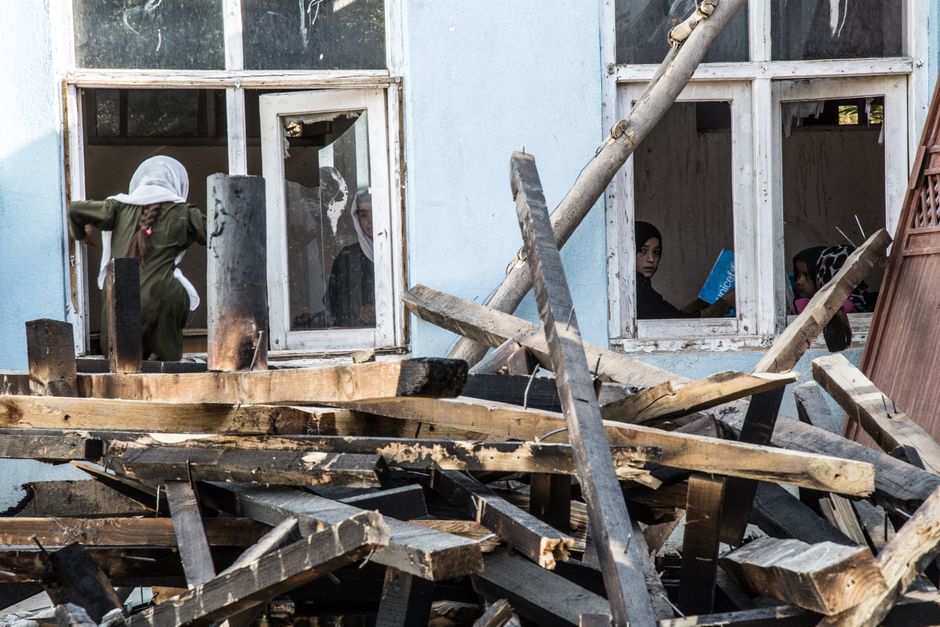
Education, particularly for girls, faces significant obstacles. While some regions have managed to keep schools open, many communities still restrict access due to cultural norms or safety fears. International NGOs are working to provide alternative learning opportunities, such as community‑based classes and digital resources, but coverage remains limited.
Looking Ahead
The future trajectory of Afghanistan hinges on several interrelated factors:
- Stability and Security: Sustainable peace will likely depend on inclusive dialogue that brings together government representatives, local leaders, and civil society groups.
- Economic Diversification: Developing sectors beyond traditional agriculture—such as renewable energy, mining, and technology—could create jobs and reduce reliance on external aid.
- Human Rights Protections: Ensuring the rights of women, minorities, and vulnerable populations is essential for long‑term societal cohesion.
- Regional Cooperation: Constructive engagement with neighboring countries on trade, water management, and security can foster a more stable environment.
While the challenges are formidable, the resilience of the Afghan people offers a foundation for hope. Community initiatives, grassroots entrepreneurship, and a growing appetite for education signal that, even amid adversity, there are seeds of progress ready to be nurtured.
For observers and policymakers alike, staying informed about these evolving dynamics is crucial. A nuanced understanding of Afghanistan’s internal complexities—not just headlines—will be key to supporting pathways toward peace, prosperity, and a more inclusive future.