
Richard Fitzgerald: Building MENA’s Next Media Powerhouse

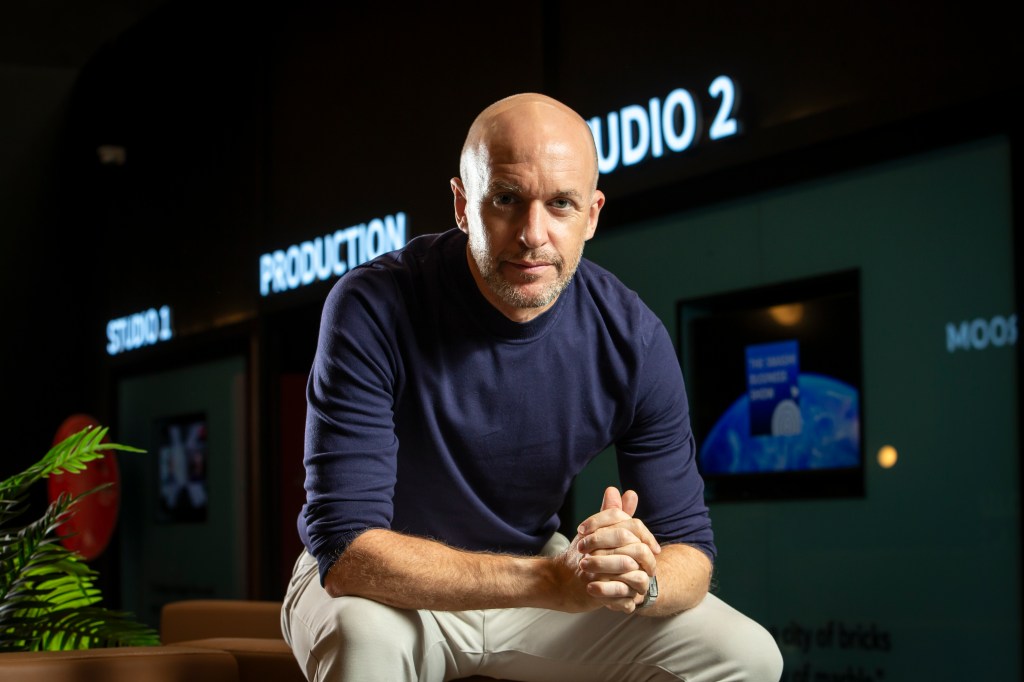
When Richard Fitzgerald founded Augustus Media with the launch of Lovin’ Dubai in 2015, his goal wasn’t to add another title to the crowded publishing landscape.
He set out to challenge a prevailing belief that independent media in the Arab world could never be a profitable, stand‑alone business. The common view held that such outlets would have to rely on government backing, entrenched legacy models, or continual external funding.
Fitzgerald saw things differently.
“My aim was to create an independent media house that shattered those clichés,” he explains. “A commercially sustainable, highly profitable Arab media operation built on rigorous operational standards.”
Ten years on, Augustus Media is present in more than 30 cities, employs over 140 staff members, and has become one of the region’s largest independent digital media groups. Its portfolio spans over thirty city‑focused platforms and a dozen verticals, covering news, business, lifestyle, entertainment, and sport. The ambition is to nurture niche media communities rather than merely amass large audiences. Yet, according to Fitzgerald, the core mission remains unchanged: “We continue to grow an independent company led by strong regional talent, keeping media revenues within the Middle East.”
This outlook reflects both the founder and the company.
While many startup leaders tout disruption, Fitzgerald emphasizes discipline.
The Founder Who Never Thought Like a Typical Startup Founder
Ask most entrepreneurs about the moment they became CEOs, and they’ll point to a funding round, a product milestone, or reaching a certain headcount.
Fitzgerald offers a different answer.
“From day one,” he says.
Not because Augustus started as a large organization, but because he believed a business should operate with the rigor of a mature company, regardless of size.
He requested annual leave, postponed taking the CEO title, and instituted governance structures long before investors ever demanded them.
“I saw myself as an employee answerable to the business,” he notes.
This mindset still defines Augustus. Whereas many young companies celebrate chaos and rapid pivots, Fitzgerald built stable processes: monthly leadership updates, quarterly management reviews, and consistent operational discipline—whether the team consisted of two people or more than a hundred.
“My background is in a large advertising network,” he says. “I’ve always approached Augustus with an intrapreneurial attitude rather than a typical startup hustle.”
“Algorithms decide what people see, but relevance decides what they remember. Augustus Media succeeds by staying relentlessly relevant, sparking conversations rather than merely publishing content. In today’s saturated media environment, that distinction separates a publisher from a platform and a platform from a brand. Their growth reflects bold leadership, continual innovation, and a deep grasp of the audiences shaping the Middle East’s future.”
– Hady Hajjar, founder & CEO, Hu Management
Surviving When Everything Stopped
Every entrepreneur faces moments of uncertainty. For Fitzgerald, those moments arrived multiple times.
The first three years tested cash flow, market confidence, and advertiser trust. “We were living month to month,” he recalls.
Then March 2020 hit, and the pandemic halted advertising spend overnight. Campaigns vanished, budgets were frozen, and the media sector braced for a collapse.
Instead of trimming editorial staff, Augustus doubled down.
“We had a choice: panic and gut the business, or stay disciplined,” Fitzgerald says.
The company kept publishing, protected its team, and maintained its structure. When advertisers returned, revenue followed because the trust had already been earned.
This episode reinforced his belief that independent media is not fragile—it is resilient.
“Every so often, you meet someone who simply gets it, and that’s exactly who he is. Beyond being genuinely kind and authentic, he’s a visionary who built an impressive empire through passion, innovation, and relentless hard work. He pioneered modern media in Dubai and across the Middle East, intuitively understanding how to connect with audiences and stay ahead of the curve. He’s revolutionary in his thinking, easy to work with, and leads with integrity. Success follows him because he consistently earns it, both professionally and personally.”
– Kris Fade, radio host, entrepreneur, and founder of Fade Fit
Audience First. Everything Else Second.
The biggest distinction between Fitzgerald and many media executives lies in what they think they are building.
For him, it’s not merely a publication—it’s a community.
“Lead with the audience, and everything else follows,” he asserts.
This principle guided Lovin’s city‑by‑city rollout and Smashi’s community‑centric model. Rather than chasing platform metrics, Augustus cultivates audiences that share common identities. Lovin fosters a sense of belonging; Smashi inspires ambitious professionals. The platform becomes a vehicle, while the audience is the true asset.
“Timing isn’t everything,” Fitzgerald notes. “The audience must always come first.”
Why Augustus Never Chased Legacy Media
Traditional publishers spent years pouring money into digital transformations, battling legacy systems and internal conflicts between print and online. Augustus started as a digital‑first venture, avoiding those costly pivots.
Digital wasn’t a separate department—it was the company’s foundation.
“We don’t have a Head of Digital,” Fitzgerald explains. “We have a Head of Content.”
This clarity also meant saying no to legacy channels like radio and traditional broadcasting. Instead, Augustus invested in podcasts, streaming, and social‑first publishing to stay ahead of audience habits.