
American Airlines shakes up leadership as CEO faces pressure to close profit gap

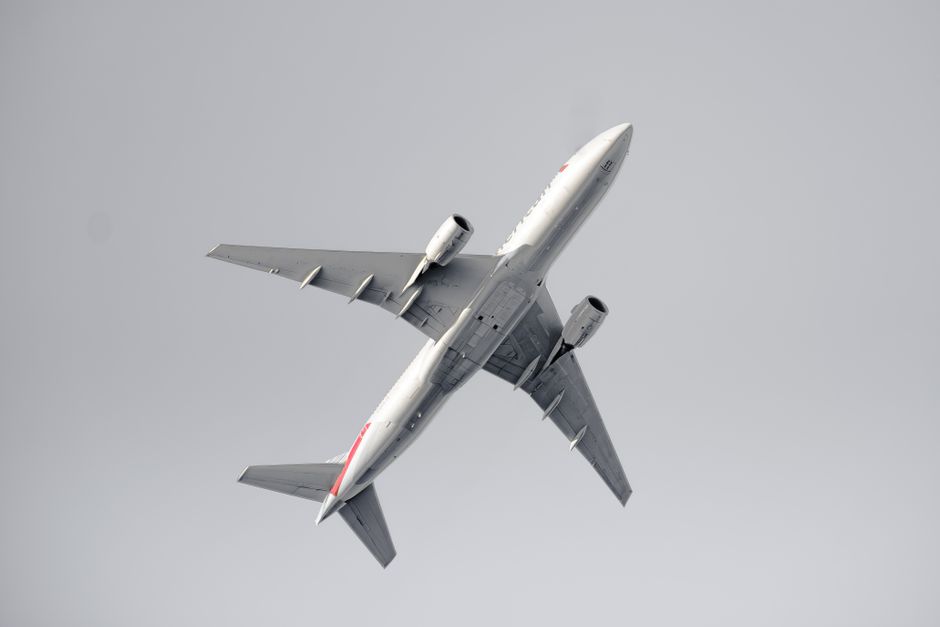
American Airlines is undergoing a significant leadership overhaul as its chief executive confronts mounting pressure to narrow a widening profit gap. The airline, one of the largest carriers in the United States, has announced a series of executive appointments and role changes aimed at strengthening operational efficiency, boosting revenue streams, and tightening cost controls.
Why the shake‑up matters
Since the pandemic, the airline industry has been navigating a volatile landscape marked by fluctuating demand, rising fuel costs, and intense competition from low‑cost carriers and emerging ultra‑low‑fare models. American Airlines, despite a robust recovery in passenger traffic, has seen its earnings lag behind rivals such as Delta Air Lines and United Airlines. Analysts point to a persistent profit margin gap that has eroded investor confidence and placed the current CEO under a spotlight of scrutiny.
Key leadership changes
- Chief Financial Officer (CFO) replacement: The board has appointed a seasoned finance veteran from the airline’s European subsidiary to take over the CFO role. The new CFO brings experience in restructuring balance sheets and implementing cost‑saving initiatives across multiple markets.
- Chief Commercial Officer (CCO) elevation: A rising star from the commercial strategy unit has been promoted to CCO, tasked with revamping the airline’s pricing architecture, expanding ancillary revenue, and deepening partnership agreements.
- Operations chief turnover: The head of flight operations will be succeeded by a former airline pilot with a strong background in safety management and on‑time performance improvement.
- Human resources leadership: A new senior vice president for labor relations has been installed to renegotiate contracts with unions, aiming to balance wage growth with productivity enhancements.
Strategic focus areas
Beyond the personnel reshuffle, the leadership team has outlined four strategic pillars designed to close the profit gap:
- Cost discipline: Implementing tighter fuel hedging strategies, optimizing crew scheduling, and accelerating the retirement of older, less fuel‑efficient aircraft.
- Revenue diversification: Expanding ancillary services such as baggage fees, seat selection, and premium cabin upgrades, while exploring new revenue streams like subscription‑based travel packages.
- Network optimization: Rethinking route profitability, shedding under‑performing city pairs, and focusing on high‑yield markets that align with the airline’s hub‑and‑spoke model.
- Technology and data analytics: Leveraging advanced analytics for dynamic pricing, predictive maintenance, and personalized customer experiences to drive both efficiency and loyalty.
Challenges ahead
The leadership overhaul does not guarantee immediate results. Several challenges remain:
- Labor negotiations: Union contracts in the United States are notoriously robust, and any attempt to curb wage growth may spark industrial action.
- Fuel price volatility: While hedging can mitigate short‑term spikes, long‑term price trends still pose a significant risk to the bottom line.
- Competitive pressure: Low‑cost carriers continue to capture price‑sensitive travelers, forcing legacy airlines to balance premium service with cost‑effective pricing.
- Regulatory environment: Emerging emissions standards and sustainability mandates could require additional capital expenditures for fleet upgrades.
Outlook for shareholders
Investors are watching closely to see whether the new executive team can deliver measurable improvements in earnings per share and operating margin within the next fiscal year. Early indicators, such as tighter cost structures and a more aggressive ancillary revenue strategy, suggest that the airline is positioning itself to narrow the profit gap. However, the ultimate success will depend on the execution of the outlined strategies and the ability to navigate external headwinds.
Conclusion
The leadership reshuffle at American Airlines signals a decisive attempt to address a profit gap that has lingered since the industry’s pandemic rebound. By bringing in fresh perspectives across finance, commercial operations, and labor relations, the airline hopes to accelerate cost reductions, boost revenue streams, and restore confidence among shareholders. While the path ahead is fraught with challenges, the strategic focus on efficiency, data‑driven decision‑making, and network optimization offers a clear roadmap for closing the profit gap and strengthening the carrier’s competitive position in a rapidly evolving market.