
flyadeal CEO Discusses Airline’s Future in Latest Interview

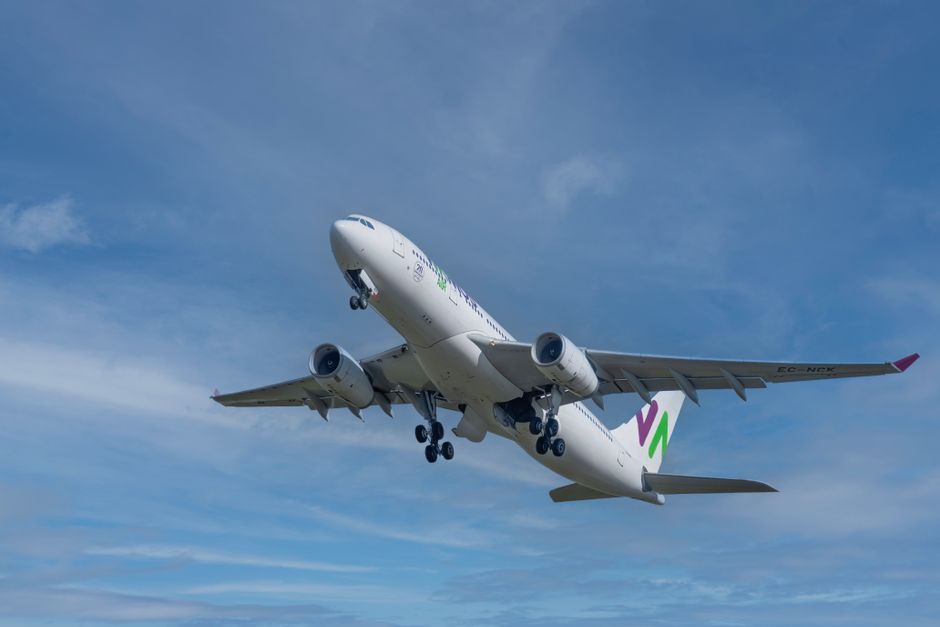
flyadeal CEO Discusses Airline’s Future in Latest Interview
The recent flyadeal CEO interview provided a window into the thinking of the airline’s leadership as it navigates a dynamic market. In the conversation, the chief executive outlined the carrier’s priorities amid shifting travel patterns and regional competition. This discussion comes at a time when Saudi Arabia’s aviation sector is undergoing rapid transformation, driven by national initiatives and rising demand for affordable air travel.
flyadeal CEO interview: What It Means for the Airline’s Future
Although the specifics of the dialogue were not disclosed in the source, the mere fact that the CEO engaged with media signals the airline’s willingness to communicate its strategic direction. Such interactions allow stakeholders to gauge how the company perceives its operating environment and what steps it may consider to sustain growth. For a budget carrier like flyadeal, transparency about cost management, fleet planning, and customer experience can be particularly valuable.
About flyadeal
flyadeal operates as a low‑cost subsidiary of the Saudia Group, headquartered in Jeddah. Since its launch, the airline has focused on offering point‑to‑point service within the Kingdom and to nearby international destinations. Its business model emphasizes streamlined operations, high aircraft utilisation, and a fare structure designed to attract price‑sensitive travellers.
The carrier’s fleet consists primarily of Airbus A320neo family aircraft, which are known for fuel efficiency and lower operating costs. This choice aligns with the broader industry trend toward newer, more environmentally friendly jets that help airlines manage both expenses and emissions.
Saudi Arabia’s Aviation Landscape
The Kingdom’s aviation sector has been expanding steadily, supported by Vision 2030 objectives that aim to diversify the economy and increase tourism. Government investments in airport infrastructure, coupled with liberalisation of air service agreements, have created opportunities for both full‑service and low‑cost carriers.
Domestic travel demand has risen as more residents opt for air travel over long‑distance road journeys, while international inbound tourism benefits from eased visa regulations and the development of entertainment and cultural projects. These dynamics create a backdrop in which airlines must balance capacity growth with operational discipline.
Challenges and Opportunities for Low‑Cost Carriers
Low‑cost airlines face a distinct set of pressures. Fuel price volatility, airport charges, and the need to maintain high load factors can affect profitability. At the same time, the segment benefits from travellers who prioritize base fare over ancillary services, allowing airlines to innovate in pricing and distribution.
Effective cost control remains central. This includes negotiating favourable terms with suppliers, optimising turnaround times at airports, and leveraging digital platforms for sales and customer service. Airlines that succeed in these areas often achieve a competitive edge in price‑sensitive markets.
Another consideration is sustainability. While low‑cost models inherently aim to reduce waste through high utilisation, there is growing interest in adopting sustainable aviation fuels, carbon offset programmes, and more efficient flight‑planning tools. Communicating progress on these fronts can enhance brand reputation among environmentally conscious consumers.
Outlook for flyadeal
Looking ahead, the airline will likely continue to evaluate route performance, adjust frequencies based on demand, and explore ancillary revenue streams that do not undermine its core value proposition. Fleet renewal plans may involve further acquisition of fuel‑efficient aircraft to replace older units and support expansion.
The interview with flyadeal’s CEO, even without disclosed details, underscores the importance of leadership communication in a sector where market conditions can shift rapidly. By sharing insights into operational priorities and strategic considerations, the carrier helps investors, partners, and customers understand its direction and resilience.
- Focus on cost‑effective operations and fleet efficiency
- Monitoring domestic and international travel trends
- Adapting to regulatory changes and infrastructure developments
- Exploring sustainable practices aligned with industry goals
In summary, the flyadeal CEO interview serves as a reminder that clear communication from airline leadership is essential for navigating the complexities of today’s aviation market. While the interview itself did not reveal specific figures or announcements, it highlights the airline’s ongoing efforts to position itself within Saudi Arabia’s evolving air travel landscape.